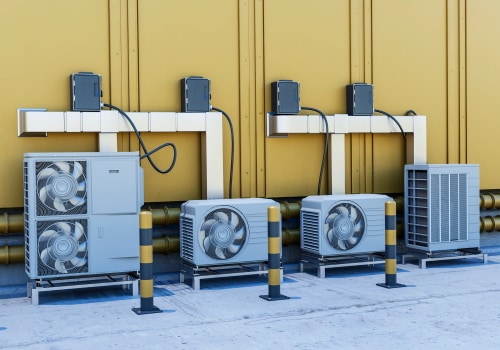
Heating, ventilation, and air conditioning systems are among the largest consumers of energy in both residential and commercial buildings. As energy costs continue to fluctuate and sustainability becomes a greater priority, many property owners are investing in energy-efficient HVAC systems to reduce operating expenses while improving indoor comfort. Modern HVAC technology is designed to provide consistent heating and cooling using less electricity or fuel than older equipment, making it possible to maintain comfortable indoor temperatures without excessive utility bills. Beyond financial savings, energy-efficient systems also help reduce environmental impact by lowering overall energy consumption and decreasing greenhouse gas emissions associated with power generation. Whether for a single-family home, office building, retail store, or industrial facility, upgrading to an efficient HVAC system can deliver meaningful long-term benefits.
Features of Modern Energy-Efficient Systems
Today's HVAC systems incorporate advanced technologies that significantly improve performance and efficiency compared to previous generations. High-efficiency furnaces, air conditioners, heat pumps, and variable-speed systems are designed to adjust their output based on actual heating and cooling demands rather than operating at full capacity continuously. Smart thermostats allow property owners to create customized temperature schedules and remotely monitor system performance, helping eliminate unnecessary energy usage when buildings are unoccupied. Improved insulation, properly sealed ductwork, zoning systems, and advanced air filtration also contribute to greater efficiency by reducing energy loss and maintaining more consistent indoor temperatures. Together, these features provide improved comfort while minimizing wasted energy and lowering monthly operating costs.
Benefits for Residential and Commercial Properties
Although residential and commercial buildings have different heating and cooling requirements, both can benefit substantially from energy-efficient HVAC equipment. Homeowners often appreciate quieter operation, improved humidity control, better indoor air quality, and lower monthly utility expenses. Commercial property owners, meanwhile, benefit from reduced operating costs, improved occupant comfort, and greater reliability for larger facilities that require consistent climate control throughout the day. Modern HVAC systems also help businesses support sustainability initiatives and may contribute to meeting energy efficiency goals established by local regulations or corporate environmental programs. Working with experienced HVAC professionals such as Creighton Laircey Co. Inc. allows property owners to evaluate equipment options, determine appropriate system sizing, and identify solutions that best match the building's unique heating and cooling requirements.
The Importance of Proper Installation and Maintenance
Even the most advanced HVAC equipment cannot perform efficiently if it is improperly installed or poorly maintained. Correct system sizing is especially important because oversized and undersized units both operate inefficiently and may experience increased wear over time. Professional installation ensures that ductwork, refrigerant levels, airflow, electrical connections, and ventilation components function together as intended. Once installed, routine maintenance remains essential for preserving efficiency. Regular inspections, air filter replacement, coil cleaning, refrigerant checks, and thermostat calibration help maintain peak system performance while reducing the likelihood of unexpected breakdowns. Preventive maintenance also extends equipment lifespan, helping property owners maximize the return on their HVAC investment.
A Smart Investment for the Future
Investing in an energy-efficient HVAC system offers benefits that extend well beyond immediate utility savings. Improved indoor comfort, enhanced air quality, quieter operation, reduced maintenance costs, and increased property value all contribute to the long-term advantages of modern heating and cooling technology. As buildings become more energy conscious and efficiency standards continue to evolve, upgrading HVAC equipment represents a practical step toward creating healthier, more sustainable indoor environments. Whether replacing aging equipment in a residence or designing a climate control system for a commercial facility, selecting energy-efficient solutions supported by professional installation and ongoing maintenance helps ensure reliable performance for years to come. With thoughtful planning and regular care, property owners can enjoy greater comfort, lower operating costs, and dependable HVAC performance while supporting responsible energy use throughout every season.