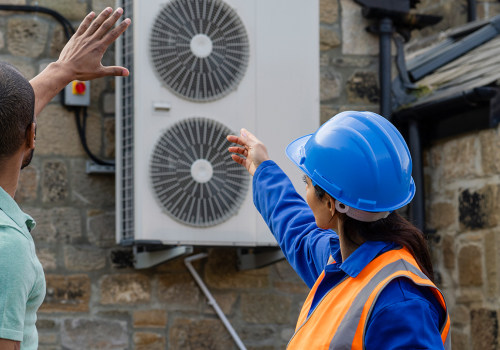
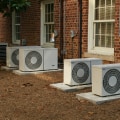
Proper installation is one of the most important factors influencing the performance of any HVAC system. Even the most advanced heating and cooling equipment can underperform if it is not installed correctly. Installation determines how efficiently air flows, how well components communicate, and how effectively the system maintains indoor comfort. From sizing the unit appropriately to positioning it in the right location, every step in the installation process contributes to the system’s long-term reliability and effectiveness.
Correct Sizing and System Design
One of the first considerations during installation is ensuring that the HVAC system is properly sized for the home. An oversized system may cycle on and off too frequently, leading to energy waste and uneven temperatures, while an undersized system may struggle to maintain desired comfort levels. Professional installers calculate heating and cooling loads based on factors such as square footage, insulation, and climate conditions. This precise sizing ensures that the system operates efficiently and delivers consistent performance throughout the home.
Optimizing Airflow and Ductwork
Airflow is a critical component of HVAC performance, and proper ductwork installation plays a key role in achieving it. Poorly designed or installed ducts can lead to air leaks, restricted airflow, and uneven temperature distribution. Ensuring that ducts are properly sealed, insulated, and sized helps maintain consistent airflow and improves overall efficiency. Proper installation also minimizes energy loss, allowing the system to operate more effectively while reducing utility costs.
Ensuring Electrical Compatibility and Safety
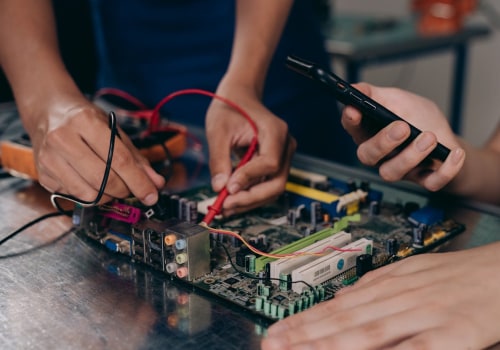
HVAC systems rely on electrical components to function, making proper electrical integration essential during installation. Incorrect wiring or inadequate power supply can lead to system malfunctions, reduced efficiency, or safety hazards. Incorporating features such as whole house surge protection in Fort Worth can help safeguard the HVAC system from power surges and electrical fluctuations, ensuring reliable operation. Professional installation ensures that all electrical connections are secure and compliant with safety standards.
Enhancing Energy Efficiency and Cost Savings
A properly installed HVAC system operates more efficiently, which translates into lower energy consumption and reduced utility bills. When all components are correctly aligned and functioning as intended, the system can maintain desired temperatures without excessive effort. This efficiency not only benefits homeowners financially but also contributes to environmental sustainability by reducing energy waste.
Preventing Frequent Repairs and Maintenance Issues
Improper installation can lead to a range of issues that require frequent repairs and maintenance. Problems such as loose connections, incorrect refrigerant levels, or poorly calibrated thermostats can compromise system performance and shorten its lifespan. By ensuring that the system is installed correctly from the start, homeowners can avoid these issues and enjoy a more reliable and durable HVAC system.
Supporting Long-Term Comfort and Reliability
Ultimately, proper installation is essential for achieving long-term comfort and reliability in a home’s HVAC system. A well-installed system provides consistent temperature control, improved air quality, and dependable operation throughout the year. By investing in professional installation and paying attention to every detail, homeowners can ensure that their HVAC system performs at its best, delivering comfort and efficiency for years to come.